About Pharmacology
What is Pharmacology?
Pharmacology is the science of medicines and their effects on the body.
Pharmacologists research and develop new medicines, improve our understanding of how medicines work and make sure that they are used effectively and safely by everyone. Pharmacologists are crucial in the development of safe and effective medicines, such as vaccines, painkillers and antibiotics.
Pharmacologists also carry out research that aids in the understanding of biological responses to medicines.

B.Sc. (Hons) in Pharmacology
The Bachelor of Science (Honours) in Pharmacology is a 3 year course delivered primarily by the Department of Clinical Pharmacology and Therapeutics under the Faculty of Medicine and Surgery, at the University of Malta.
To study for a degree in pharmacology the students will need to meet the following entry criteria:
- A pass at Advanced Matriculation level at grade C or better in Biology
- A pass at Intermediate Matriculation level in Chemistry and one of the following subjects: Computing, Physics, Information Technology, Pure Mathematics or Applied Mathematics.
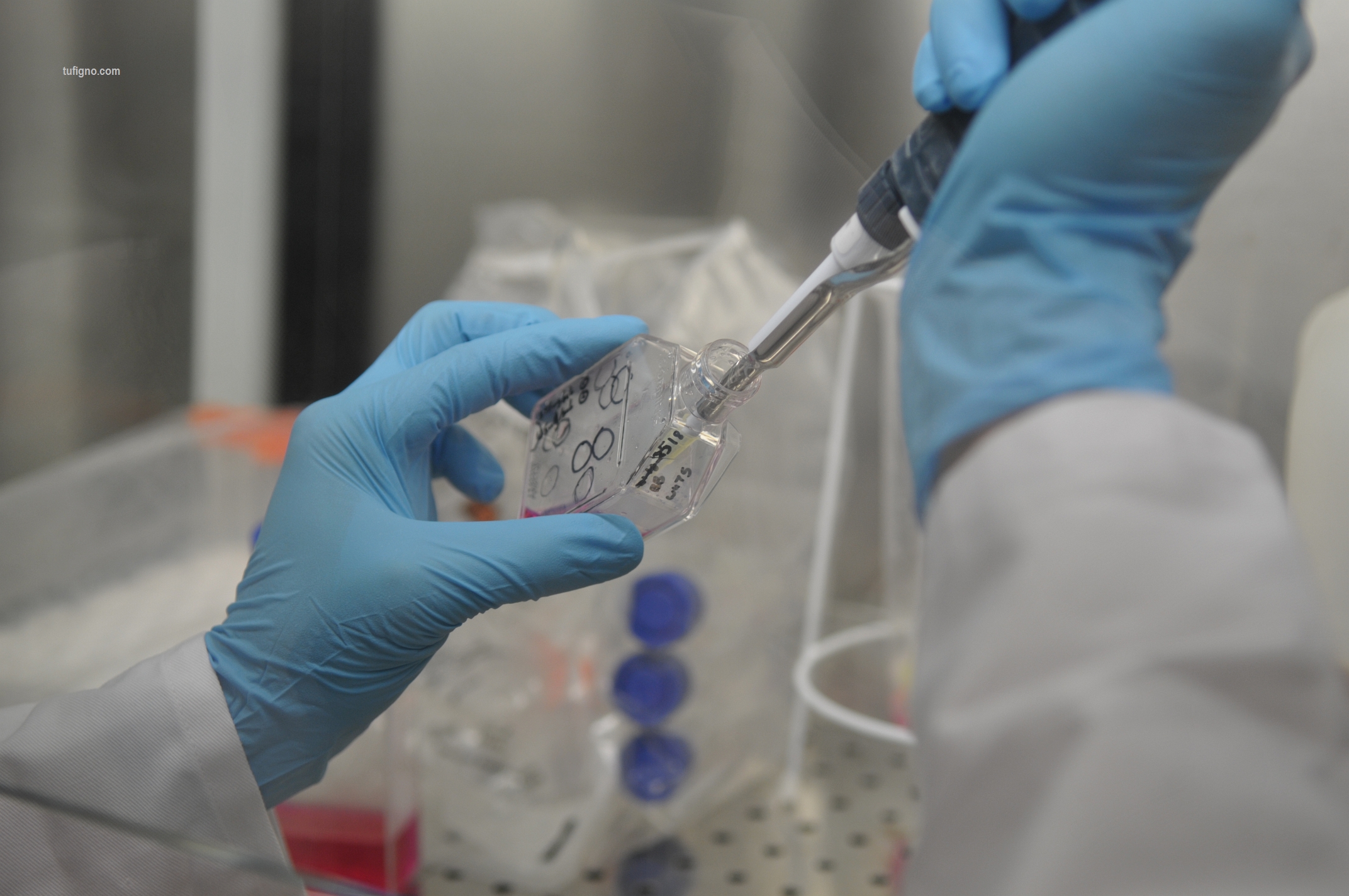
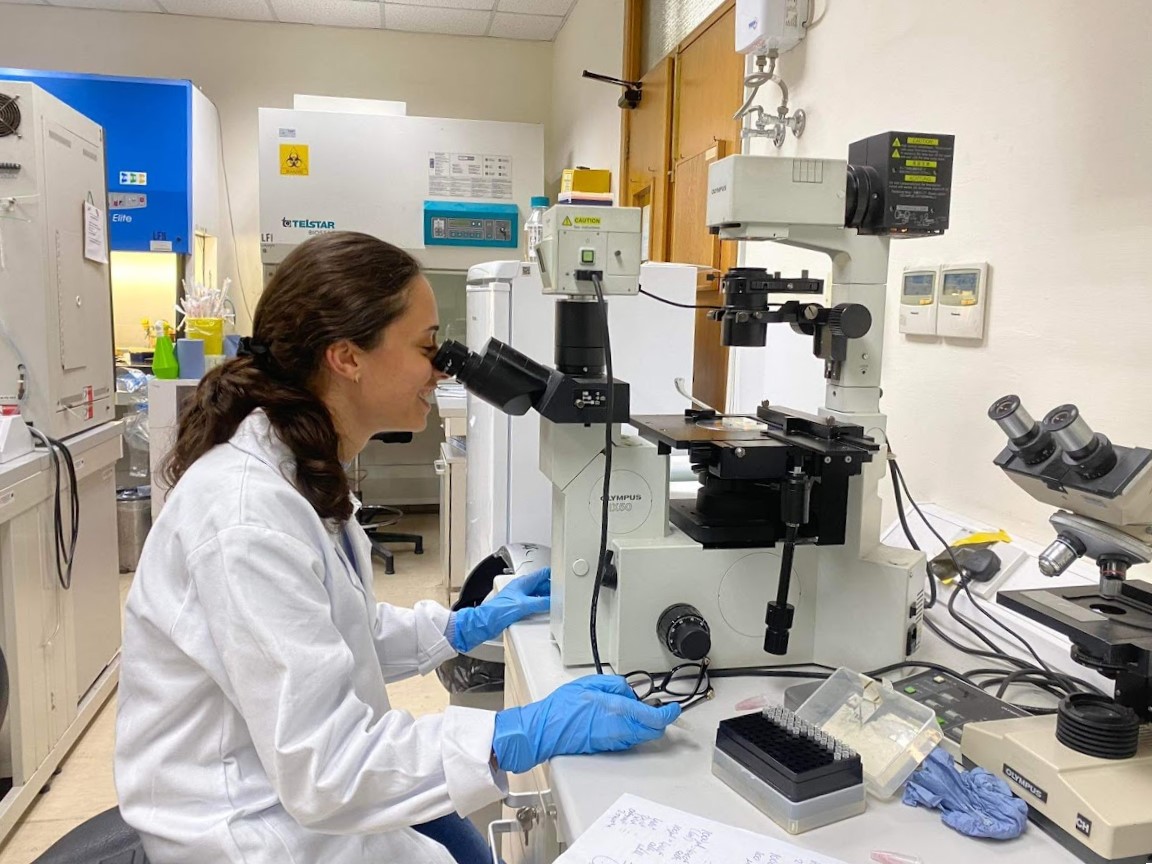
Through this B.Sc (Hons.) degree in Pharmacology, you learn how medicines manage disease. You will acquire skills in clinical and laboratory research and learn how to use research instruments to study the actions of medicines and drugs. You will carry out experiments on DNA and living cells in our laboratories, analyse and present data, develop skills in pharmacogenetics and biotechnology and delve into the developing world of digital therapeutics. You will also have the possibility to interact with various academics and postgraduate students working in various areas of pharmacology research, participate in seminars and contribute to international pharmacology societies.
Future Opportunities in Pharmacology
As a graduate in pharmacology, you will join the professional world of scientists, researchers and biotechnologists, and can contribute to various areas, which include the pharmaceutical manufacturing industry, analytical, quality control and genetic laboratories, medical representation, pharmaceutical importation, drug information sectors as well as drug regulatory areas.
The degree will also provide graduates with the possibility to further their studies at Masters and Ph.D. levels in pharmacology or related life science areas, and open the door to opportunities of a future career in
academia.


 PACTS
PACTS 